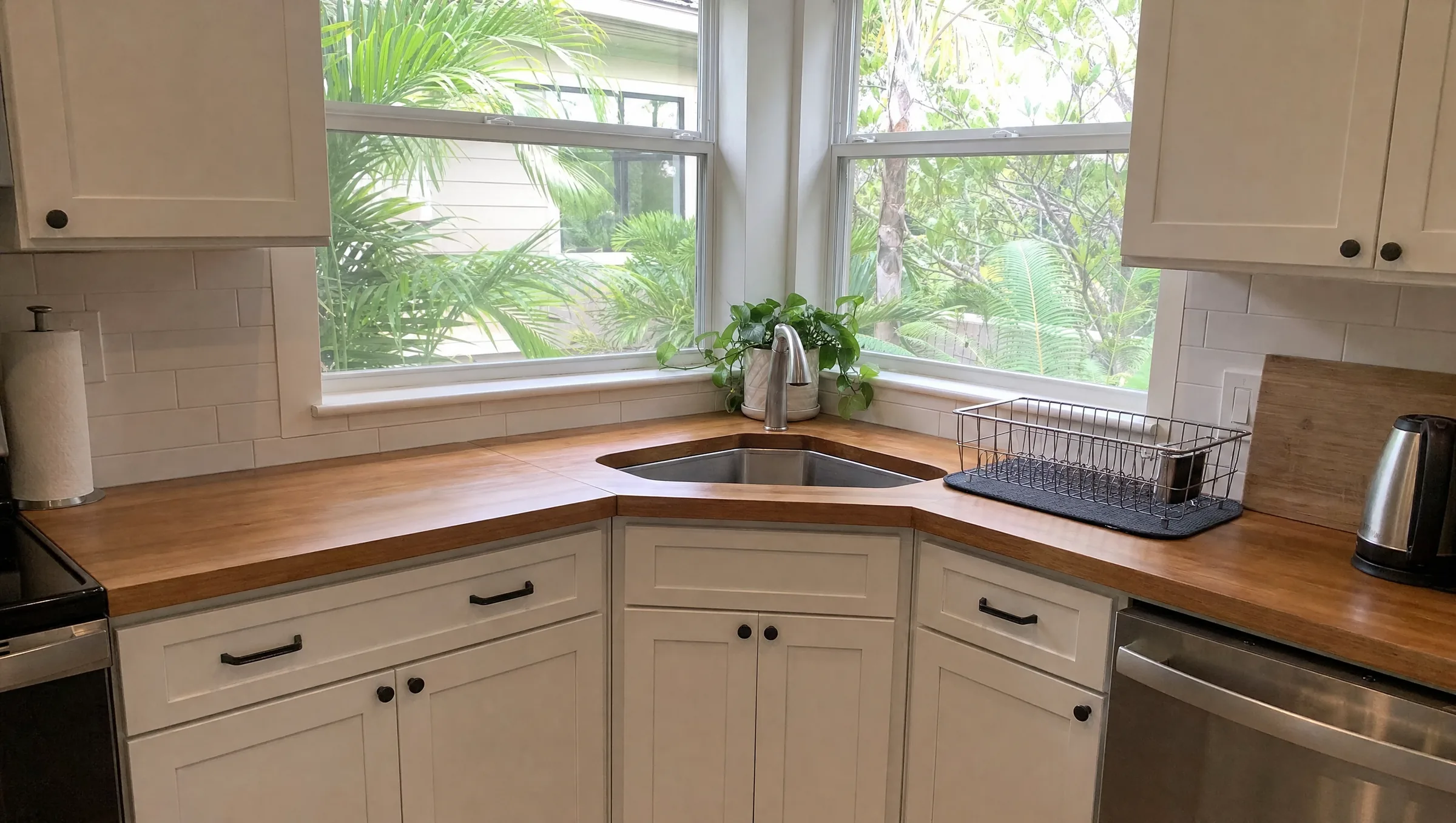

Kitchen
Kitchen Remodel Financing in Orlando: Florida Tips
Kitchen remodel financing in Orlando: property taxes after a remodel, liens, permits, insurance, HOA approvals and timing loans around hurricane season.
By the Prime Construction team Updated October 13, 2026 5 min read

Kitchen remodel financing in Orlando works much like it does anywhere: most homeowners use savings, a home equity loan or line of credit, a personal loan, or a renovation mortgage. What is different in Central Florida is everything around the loan: how a remodel can affect your property taxes, how Florida’s construction lien law and Notice of Commencement work, which permits your city or county requires, how your homeowners insurance should change, HOA approvals, and timing the project around hurricane season. This guide covers those Florida and Orlando specifics.
For the loan types themselves, see our guide to kitchen remodel financing options, which links to deeper guides on home equity and renovation loans.
Start with an Orlando-area budget
Typical Orlando-area planning ranges for 2026, installed:
| Kitchen scope | Typical range |
|---|---|
| Cosmetic refresh (same layout) | $15,000 to $35,000 |
| Mid-range full remodel | $35,000 to $75,000 |
| High-end or layout change | $75,000 to $150,000+ |
| Small kitchen about 70 to 100 sq ft, full remodel | $15,000 to $45,000 |
Two local cost factors are worth building into what you borrow:
- Slab foundations. Most Central Florida homes are slab-on-grade, so moving a sink or other plumbing means cutting and trenching concrete, typically $1,500 to $4,000+.
- Older plumbing. Many older Orlando-area homes still have galvanized or polybutylene supply lines. If they turn up when the walls open, replacing them is money well spent, but it needs to be in the contingency.
Add 10 to 15 percent to the written estimate before you apply. Our Orlando kitchen remodel cost guide explains each tier in more detail.
Property taxes after a kitchen remodel
A remodel can raise your home’s assessed value. In Florida, the county property appraiser sets assessed values, and building permit records are often one way appraisers learn about changes to a home. Homestead properties have their own assessment rules, and how a specific improvement is treated is up to the appraiser, not the contractor or lender.
What to do:
- Call or check the website of your county property appraiser (Orange, Seminole, Osceola or Lake County, depending on where you live) and ask how improvements like yours are handled.
- Budget for a possible change in your annual tax bill, especially if your mortgage payment includes an escrow for taxes. A higher bill can raise that payment.
- Keep your project paperwork. Contracts, permits and final inspections are useful records for your files.
We do not give tax advice. For questions about your own assessment, the property appraiser’s office is the right source.
Florida lien law, Notice of Commencement and your loan
Florida has a construction lien law that protects contractors, subcontractors and suppliers who are not paid. That matters when you finance a remodel, because a lender wants clear title on the house it is lending against.
- Notice of Commencement. For improvements where the contract is more than $5,000, a Notice of Commencement is generally recorded with the county clerk before work begins, and a copy is posted on site. It is required under Florida Statutes 713.13 and 713.135, and lenders and title companies often ask about it.
- Releases of lien. Ask your contractor for lien releases as payments are made, and a final release at the end, so subcontractors and suppliers who were paid cannot later claim against your home.
- Deposits. A contractor who takes more than 10 percent of the contract price as a deposit must apply for permits within 30 days and start work within 90 days after the permit is issued, unless the contract provides otherwise in the way the statute allows. That gives you a fair benchmark when you set up a payment schedule.
- Closing costs. If you take out a new mortgage or home equity loan, Florida’s documentary stamp tax and intangible tax on recorded mortgages show up in closing costs. Ask the lender for a full estimate.
Permits: who issues them and why lenders care
Inside city limits, the city’s building department issues permits (City of Orlando, Winter Park, Kissimmee, Sanford and others). In unincorporated areas it is the county: Orange County Division of Building Safety, Seminole County Building Division, or Osceola County Building Office. Plumbing, electrical, gas, mechanical and wall changes generally need a permit; cosmetic work such as paint, a same-location cabinet swap or a countertop replacement usually does not, but confirm locally. Permit fees follow each jurisdiction’s fee schedule, usually based on job value, and are included in a contractor’s estimate.
Renovation loans and many home equity lenders want to see permits for permitted work, and inspections often line up with draw schedules. Our guide to Orange County building permits explains the process for unincorporated Orange County.
Homeowners insurance before, during and after
- Before work starts, ask your agent whether the construction period affects your coverage and what the contractor should carry. Ask the contractor for proof of liability and workers’ compensation insurance (lenders often ask too).
- After the project, update your coverage. A new kitchen with new cabinets, counters and appliances can raise the home’s replacement cost, and underinsuring it defeats the point of the investment.
- Keep records. Photos, invoices and permit documents help with any future claim.
HOA approvals in master-planned communities
Many homes around Orlando, Lake Nona, Windermere, Winter Garden and Celebration are in HOAs. Interior kitchens rarely need design approval, but HOAs often have rules on:
- Dumpsters and portable storage containers in driveways
- Contractor parking and work hours
- Exterior changes such as a new window, vent hood exhaust or gas line
Ask for approval early. A dumpster that cannot be delivered can delay demolition and push back your first draw.
Timing the loan around hurricane season
Hurricane season runs June 1 to November 30. It does not stop remodeling, but it affects planning:
- Keep an emergency reserve. Do not put every dollar of savings into the kitchen during storm season. Insurance deductibles and storm prep cost money.
- Close the loan early. Home equity loans need appraisals and title work. Starting the application during design, which takes 3 to 8 weeks, keeps funding ahead of the cabinet order.
- Expect possible delays. Storms can slow deliveries, inspections and crews. Build some slack into any loan or promotional deadline.
- Protect materials. Cabinets and appliances delivered before a storm should be stored indoors and off the floor.
Local assistance programs
Some cities and counties run housing rehabilitation or repair assistance for qualifying households, usually aimed at health and safety repairs rather than design upgrades. If you think you might qualify, contact your city or county housing office directly. Most kitchen remodels are funded through savings and private lenders.
Where Prime Construction fits
Prime Construction does not offer financing or arrange loans. As a licensed Orlando general contractor, we provide what Florida lenders commonly ask for: a detailed written scope and estimate, license and insurance information, permits pulled as the contractor of record, and a payment schedule that can follow your draws. We can also phase a project so you borrow less.
Planning a kitchen remodel in Orlando?
Get a measured estimate first, then line up financing, taxes and insurance around it. Prime Construction offers kitchen remodeling in Orlando and across Orange, Seminole, Osceola and Lake counties, with an in-home measure and 3D design rendering before you commit. Call (407) 404-3944 or request an estimate.