
Kitchen
Latest Kitchen Sink Design: Types, Materials and Trends
The latest kitchen sink design trends, plus every sink type, material, mount style and bowl layout compared so you can pick the best kitchen sink.
By the Prime Construction team Updated October 13, 2026 6 min read
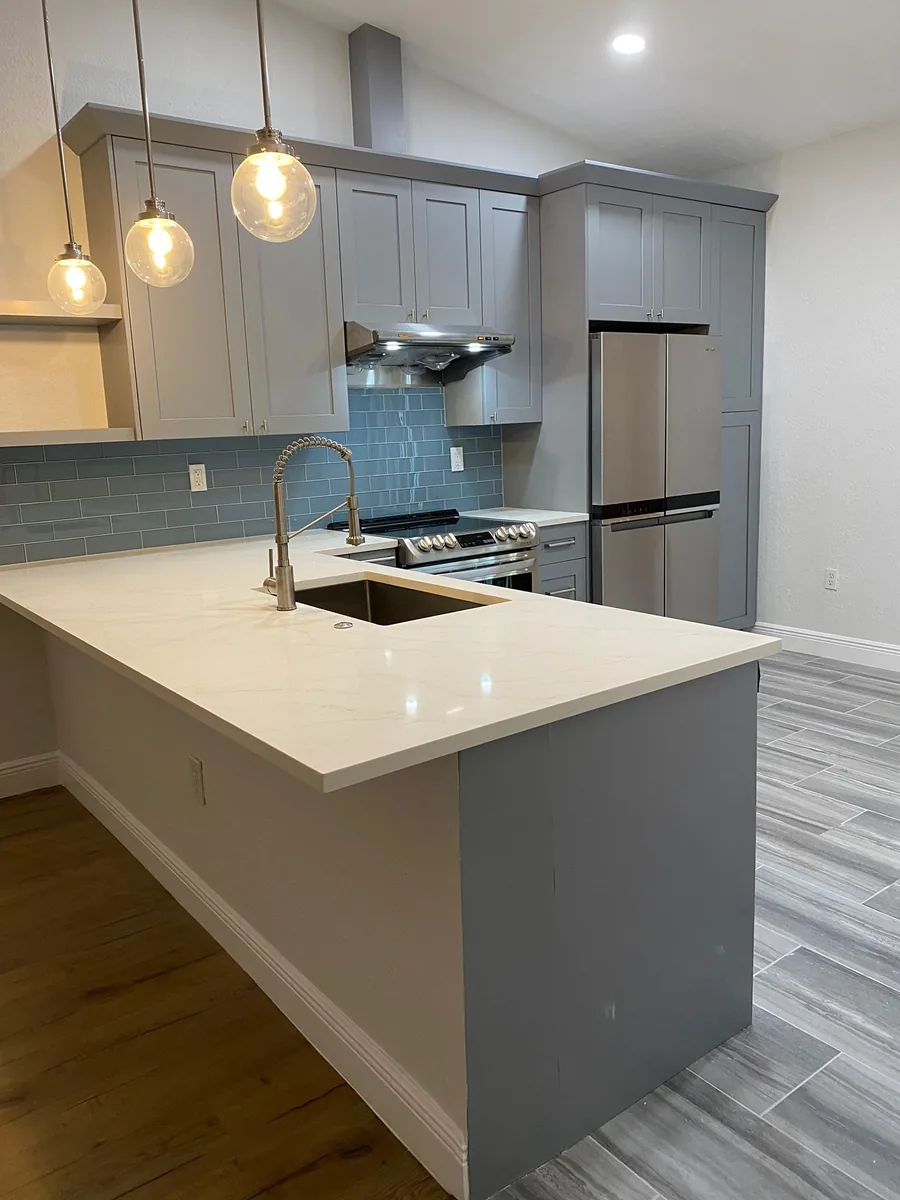
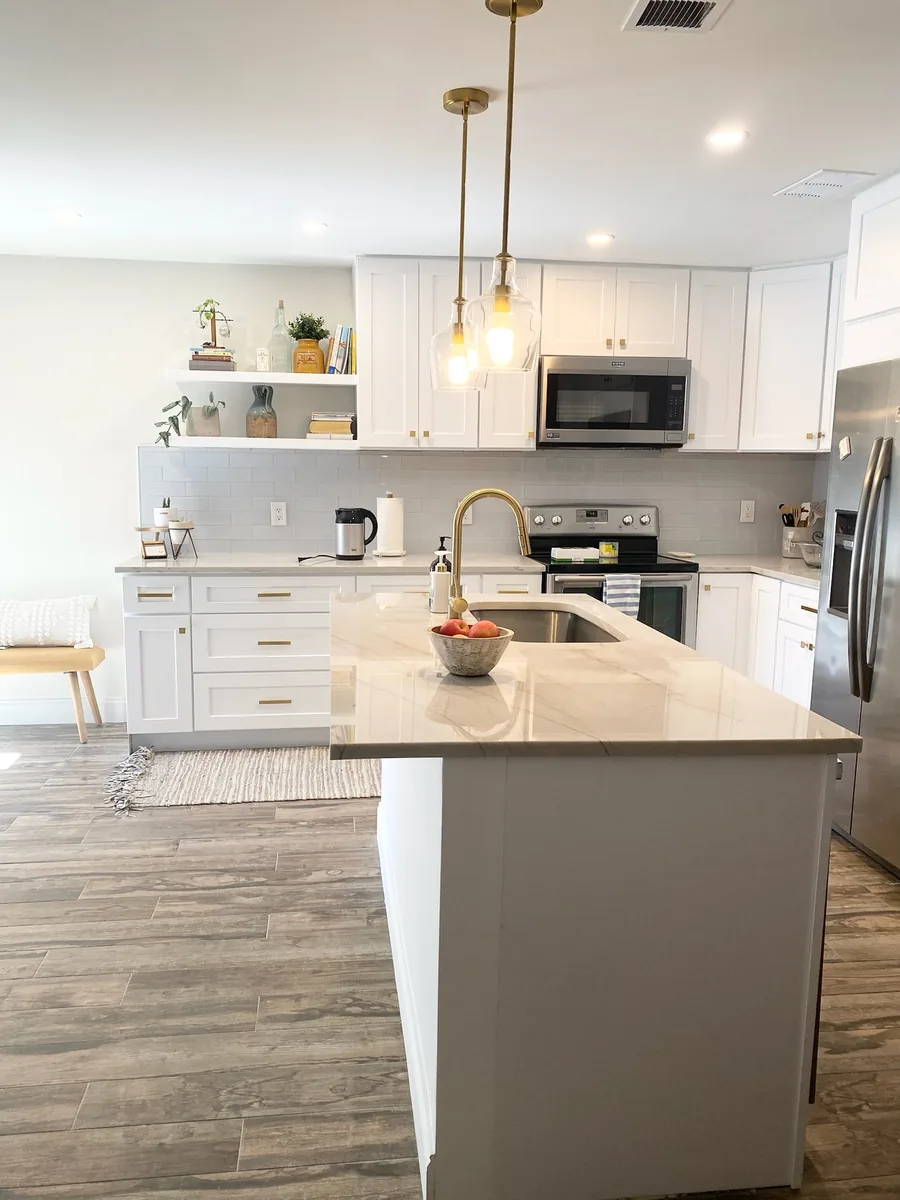
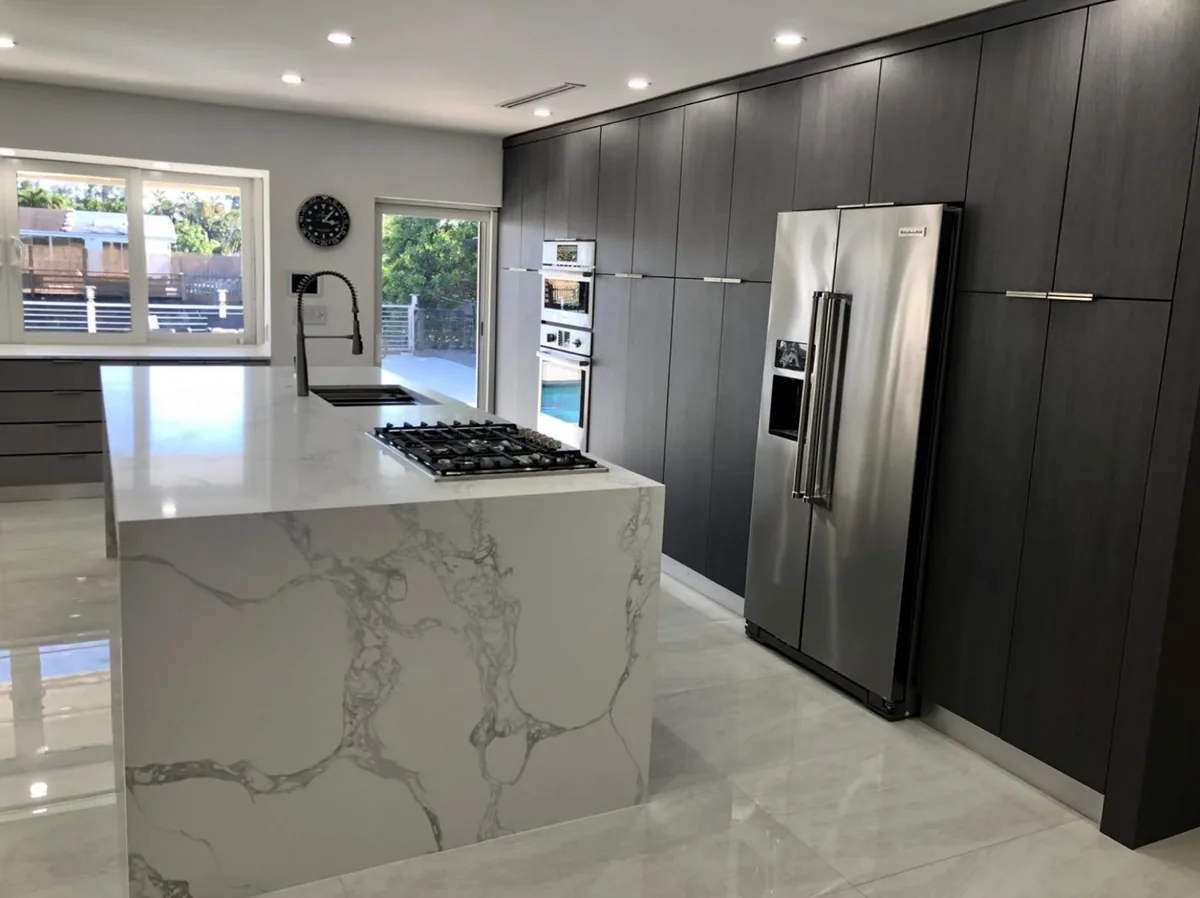
The latest kitchen sink design trend is the workstation sink: a deep single bowl with built-in ledges for a cutting board, colander and drying rack that turns the sink into a prep station. Around that trend, the choices that matter are still the basics: sink material, how it mounts to the countertop, the bowl layout and the size of the sink base cabinet. Below is each option compared, the current trends worth considering, and how to pick the best kitchen sink for the way you cook.
Current kitchen sink design trends
These are the sink designs showing up most in new kitchens and remodels right now.
Workstation sinks
A workstation sink has one or two ledges inside the bowl. Accessories slide along them: a cutting board, a colander, a roll-up drying rack, sometimes a bowl insert. You can prep over the sink and sweep scraps straight into the disposal. They are usually 30 to 45 inches wide and 9 to 10 inches deep, and they come in stainless steel, fireclay and granite composite.
Worth it if you cook often and your counters are tight. Less useful if the sink is mostly for rinsing dishes before the dishwasher.
Farmhouse (apron-front) sinks
The exposed front panel of a farmhouse sink is one of the most lasting kitchen trends. Fireclay is the classic version; stainless and granite composite apron sinks suit modern kitchens. They need a specific apron-front sink base cabinet, so plan for them before ordering cabinets.
Oversized single bowls
A single bowl 32 to 36 inches wide handles sheet pans, stock pots and grill grates. Pair it with a dishwasher and most families never miss a second bowl.
Low-divide double bowls
The divider stops about halfway up. You get two zones for washing and rinsing, but a large pan can still lie flat across the bottom.
Dark and matte finishes
Black, charcoal and other dark matte finishes, mostly in granite composite, hide water spots and contrast nicely with white or light quartz. Stainless sinks with a darker coating are also available.
Integrated sinks
The sink is made from the same material as the countertop (solid surface, quartz or stone), so there is no seam or rim. It looks seamless and cleans easily, but the sink cannot be replaced separately.
Faucets that match the sink
Taller pull-down faucets with strong sprayers, touch or touchless activation, and a separate filtered water tap are common pairings. Check that the faucet reach lands near the center of the bowl.
Kitchen sink materials compared
| Material | Strengths | Weaknesses | Best for |
|---|---|---|---|
| Stainless steel | Durable, affordable, easy to clean, resists heat | Shows water spots and scratches; can be noisy if thin | Most kitchens |
| Granite composite | Hides spots, scratch and heat resistant, many colors | Can show mineral film; heavy | Busy kitchens, dark finishes |
| Fireclay | Glossy, chip resistant, classic look | Heavy, more expensive, can chip if struck hard | Farmhouse sinks |
| Enameled cast iron | Very durable, quiet, classic | Very heavy, enamel can chip | Traditional kitchens |
| Solid surface or quartz (integrated) | Seamless with the counter | Sink tied to counter; heat limits on some | Modern minimal kitchens |
| Copper | Distinctive, naturally antimicrobial | Changes color, needs care | Accent and bar sinks |
A note on stainless gauge: lower numbers mean thicker steel. 16 gauge is heavy-duty and quieter, 18 gauge is the common standard, and 20 gauge or higher is thin and dents more easily. Sound-deadening pads on the underside make a big difference in noise.
Orlando water: much of Central Florida has hard water, which leaves white mineral film on sinks and faucets. Stainless and granite composite both show it to some degree. A quick daily rinse and dry, and a mild vinegar solution weekly, keep it under control.
Sink installation types
How the sink meets the countertop changes the look, the cleaning and which counters you can use.
Undermount
The sink mounts below a solid surface counter, so you can wipe crumbs straight into the bowl. This is the standard choice with granite, quartz and other stone. It does not work with standard laminate because the cut edge is exposed.
Drop-in (top mount)
The sink rim sits on top of the counter. Easy to install and replace, works with any countertop, and the least expensive option. The rim catches grime at the edge.
Farmhouse (apron-front)
The front of the sink is exposed and the counter meets it on three sides. It needs a special base cabinet and a well-supported install because fireclay and cast iron are heavy.
Integrated
Molded or fabricated as one piece with the counter. No edge at all.
If you are replacing countertops anyway, it is the right time to switch from a drop-in to an undermount. See our countertops service and our quartz vs granite countertops guide.
Bowl configurations
- Large single bowl: maximum room for big cookware.
- Equal double bowl: two same-size bowls for washing and rinsing.
- Offset double bowl: one large and one small bowl, often with the disposal in the small side.
- Low-divide double bowl: two zones with a partial divider.
- Triple bowl: a small center bowl for a disposal or prep; needs a wide base.
- Prep or bar sink: a second small sink on an island for two-cook kitchens.
How to choose the best kitchen sink for your kitchen
Size and cabinet fit
The sink has to fit the sink base cabinet:
| Sink width | Typical sink base |
|---|---|
| 24 to 27 in. | 30 in. |
| 30 in. | 33 in. |
| 33 in. | 36 in. |
| 36 in. or larger | 36 to 42 in. |
Always confirm the manufacturer’s minimum cabinet size. Undermount and farmhouse sinks also need the countertop fabricator to have the actual sink before cutting.
Depth
A 9 to 10 inch bowl handles pots and hides dishes. Deeper bowls can be hard on your back, especially for shorter cooks, and they reduce space for plumbing and a disposal underneath.
Drain position
A rear-set drain leaves more room in the cabinet below for a trash pull-out or storage and keeps the drain clear of dishes sitting in the bowl.
Location
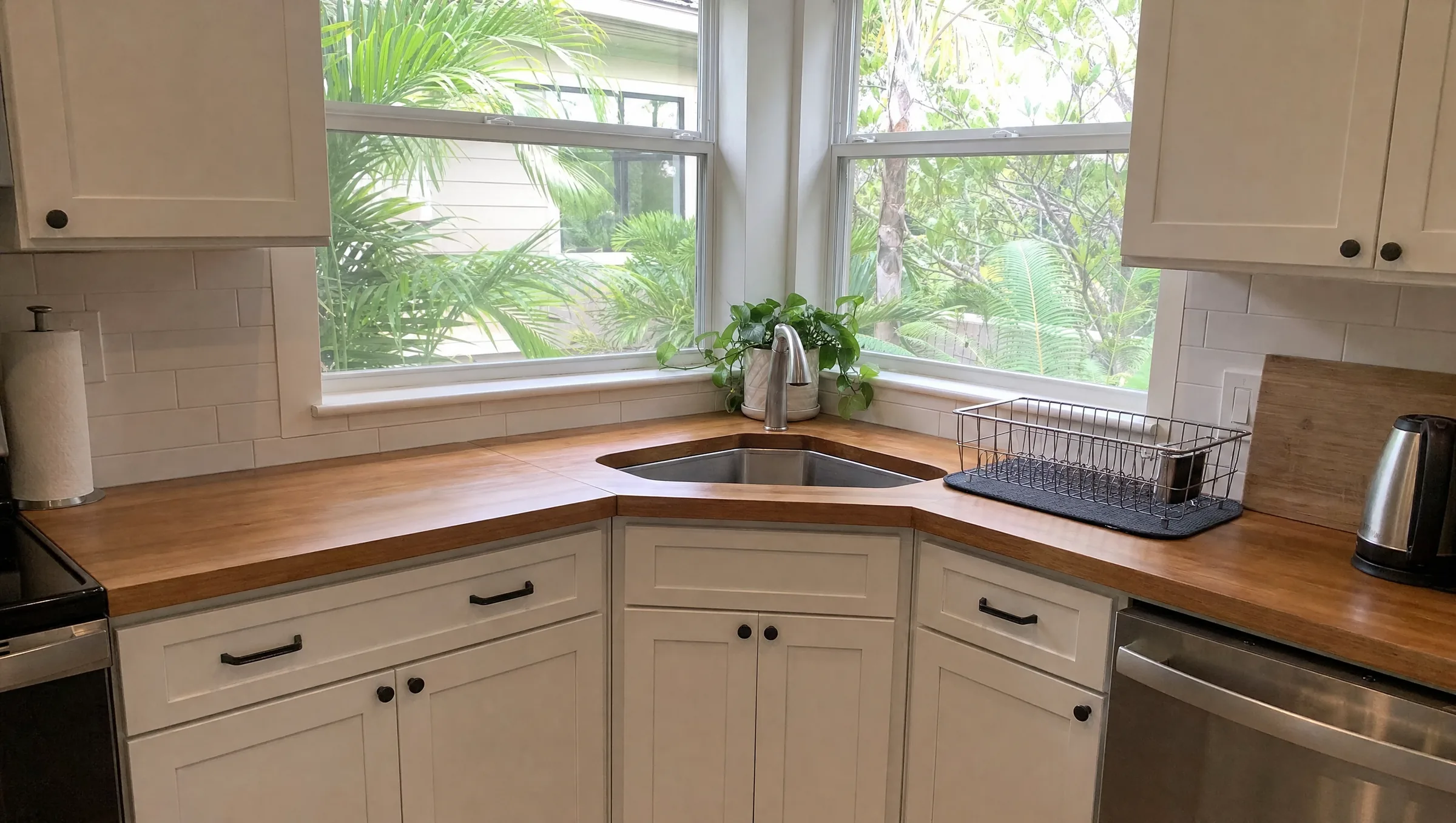
Most sinks stay where they are, under a window or on a main wall. Moving a sink to an island is popular, but most Central Florida homes are built on a concrete slab, so the new drain means cutting and trenching the floor. In the Orlando area, moving a sink or other plumbing typically costs $1,500 to $4,000 or more in 2026, and it usually needs a plumbing permit. If you want to rethink the location, our corner sink kitchen remodel guide covers one space-saving option.
Accessories and extras
Think about the whole sink area at once: faucet, soap dispenser, filtered water tap, disposal switch or air switch, and a dishwasher air gap if your jurisdiction requires one. Each needs a hole in the counter or sink deck, and it is far easier to plan them before fabrication.
Caring for your new sink
- Stainless steel: wipe dry to prevent spots, clean with the grain, avoid steel wool, and use a bottom grid to prevent scratches.
- Granite composite: rinse after use, and periodically clean with a mild cleaner to remove mineral film. Avoid harsh chemicals.
- Fireclay and cast iron: use a soft cloth and nonabrasive cleaner; a mat or grid helps prevent chips from heavy pans.
- All sinks: keep caulk or sealant at the edge in good shape so water does not get under the counter or into the cabinet.
Upgrading your sink as part of a remodel
Replacing a sink alone in the same location is often a simple swap. When the sink changes size or mount type, the countertop and sometimes the sink base cabinet change too, which is why sink upgrades are usually done with new counters or as part of a larger project. Our kitchen remodeling team plans the sink, faucet, counter and cabinet together, and our plumbing work is done under our Certified Plumbing Contractor license, CFC1433952.
Planning a new kitchen sink in Orlando?
The best sink for your kitchen depends on how you cook, the cabinet below it and the counter around it. Prime Construction measures your kitchen, shows the sink and counter layout in a 3D design rendering, and helps you choose the sink and faucet before anything is ordered. If you are in Orange, Seminole, Osceola or Lake County, call (407) 404-3944 or request an estimate.