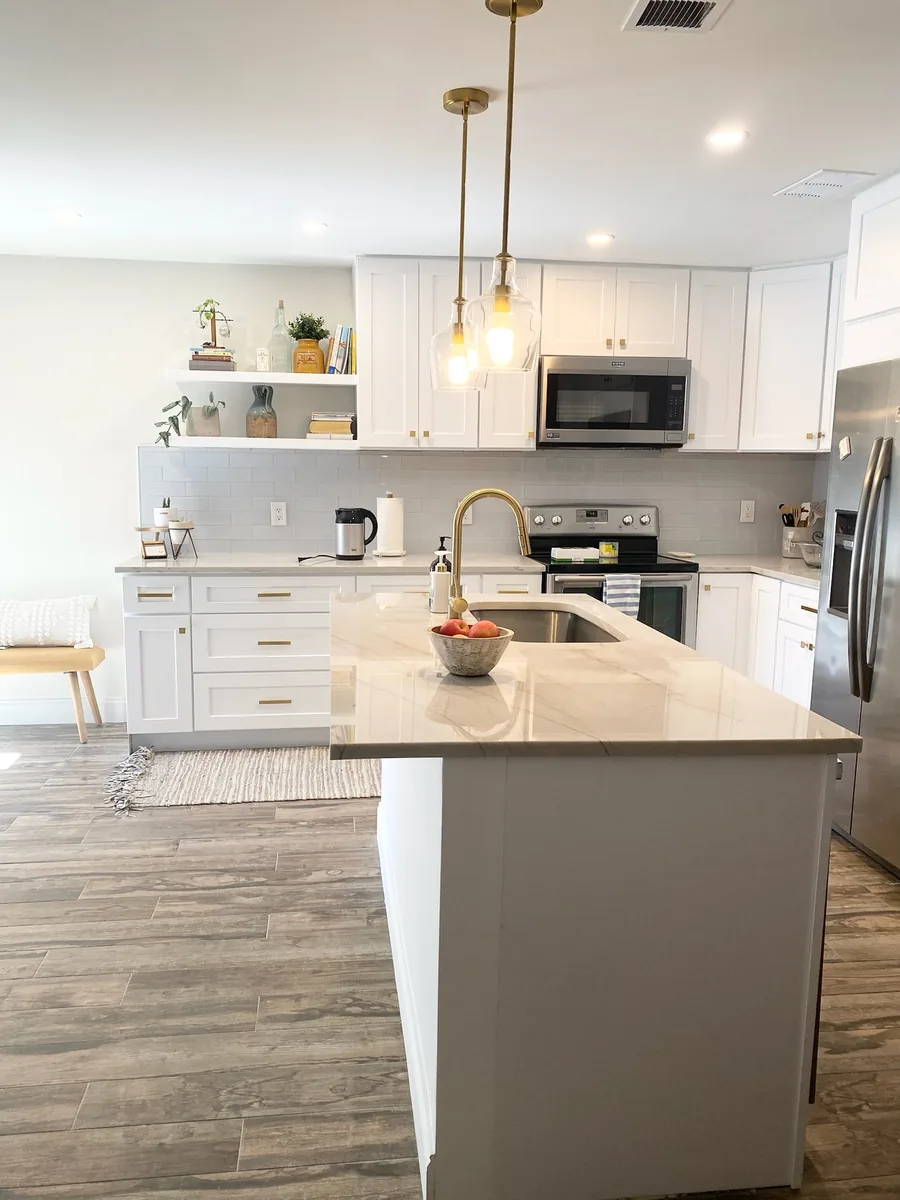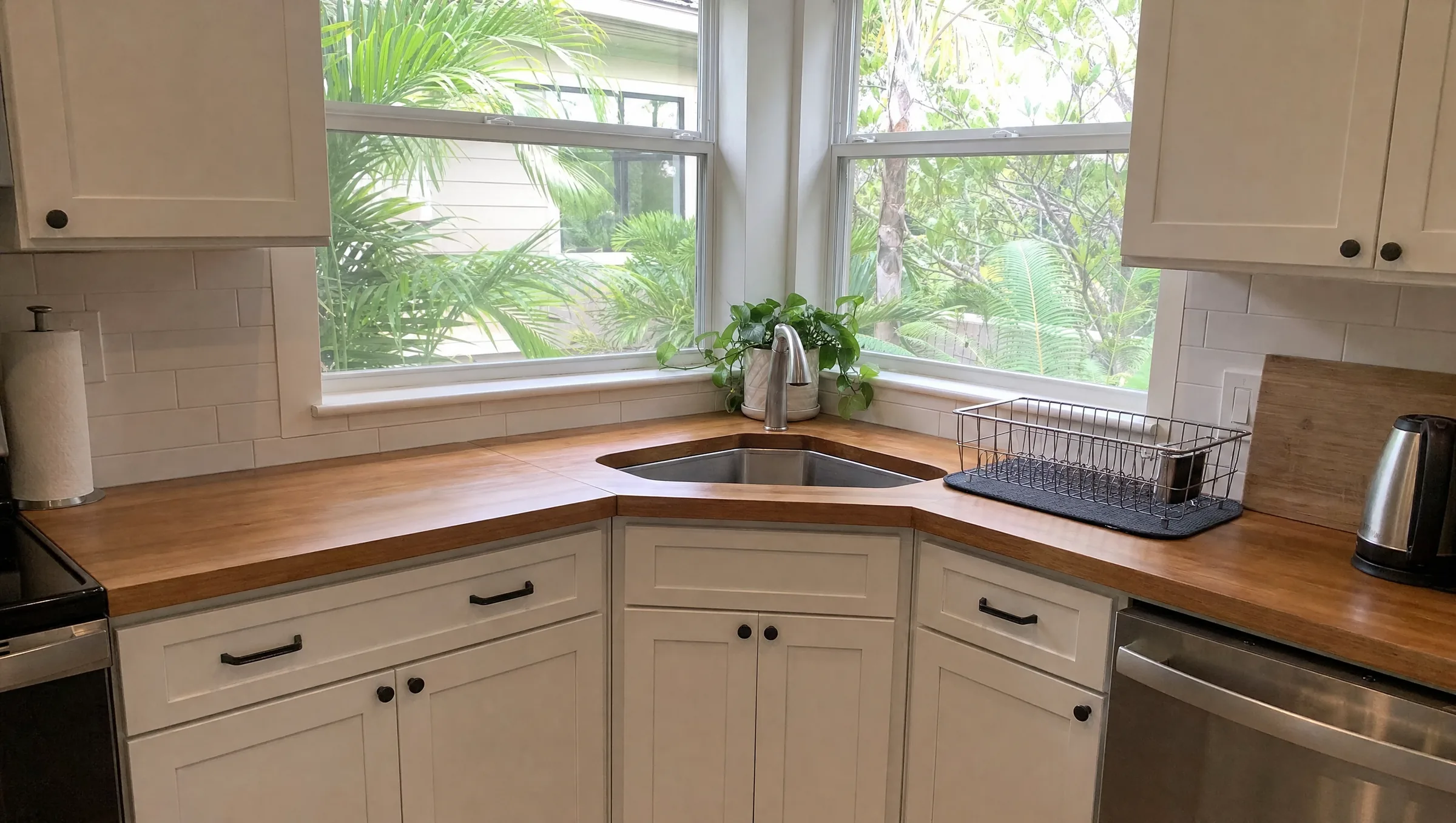

Kitchen
Kitchen Renovation in Orlando, FL: Permits, HOA and Timing
The Orlando kitchen renovation process: which city or county issues your permit, HOA approvals, living through the work and hurricane season scheduling.
By the Prime Construction team Updated October 13, 2026 6 min read
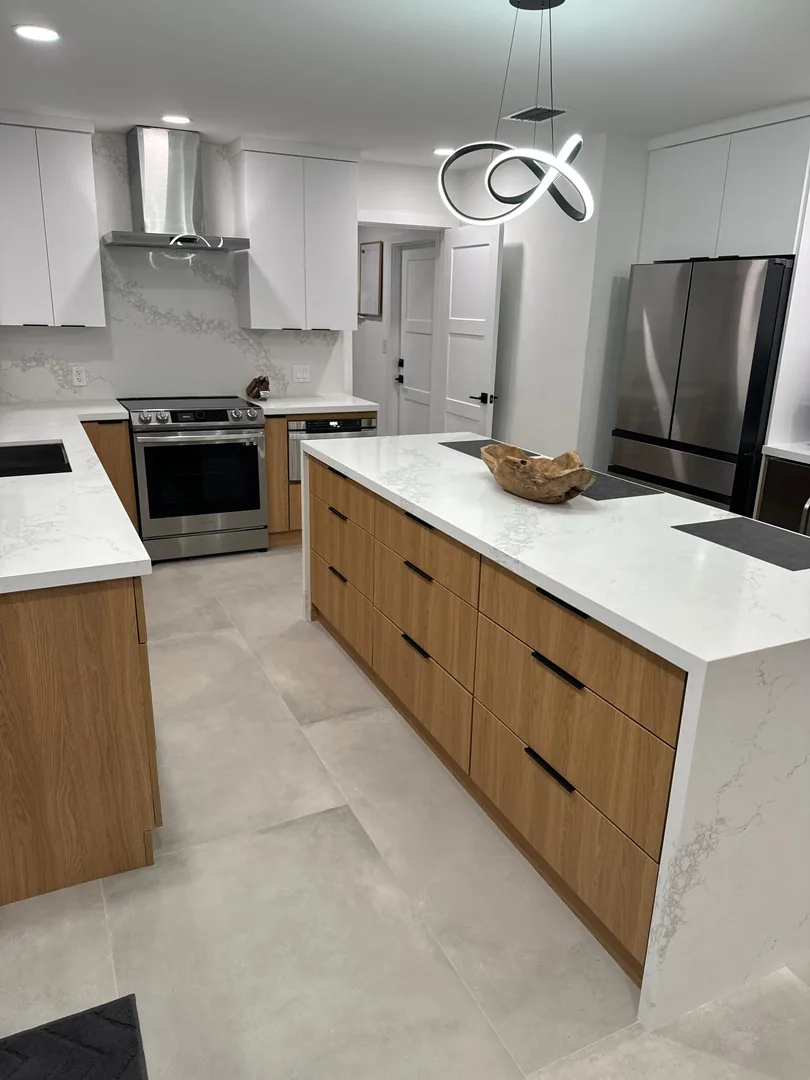
A kitchen renovation in Orlando follows the same core steps as anywhere, but four local details decide how smoothly it goes: which city or county issues your permit, what your HOA or condo association requires, how your household will live through the work, and how the schedule handles hurricane season. This guide covers each one. Plan on 3 to 8 weeks for design, selections and ordering, and 4 to 8 weeks on site for a full remodel, plus permit review time that varies by jurisdiction.
If you want the general step-by-step sequence (demolition, rough-in, cabinets, countertops), see how to remodel a kitchen: steps and timeline. For what we build and how we work, see kitchen remodeling in Orlando.
Step one in Orlando: find out who issues your permit
Your mailing address does not decide which building department you use. The property’s location does. Many homes with an “Orlando” address sit in unincorporated Orange County, and the same is true of addresses in Seminole and Osceola counties. Your county property appraiser’s record shows whether the parcel is inside a city.
| Where the home is | Who issues the building permit |
|---|---|
| Inside City of Orlando limits | City of Orlando building and permitting |
| Unincorporated Orange County (including many Orlando, Windermere and Dr. Phillips addresses) | Orange County Division of Building Safety |
| City of Winter Park | Winter Park building department |
| City of Kissimmee | Kissimmee building department |
| Unincorporated Osceola County | Osceola County Building Office |
| City of Sanford | Sanford building department |
| Unincorporated Seminole County | Seminole County Building Division |
| Lake County cities (such as Clermont) or unincorporated Lake County | The city’s building department, or the county inside unincorporated areas |
For office-by-office details, see our guides to Orange County building permits and City of Orlando building permits.
What needs a permit in a kitchen renovation
Typical permit triggers:
- Moving or adding plumbing (sink, dishwasher, pot filler, gas line)
- New electrical circuits, outlets or lighting circuits
- Gas work for a range or cooktop
- Ventilation ducted through a wall or roof
- Removing or altering walls, especially load-bearing ones
- Windows or exterior doors in the kitchen
Cosmetic work such as paint, a same-location cabinet swap, countertop replacement and flooring usually does not need a permit. Confirm with your building department before you start, because rules vary.
The $7,500 exemption (HB 803)
Since July 1, 2026, Florida Statutes 553.79 allows certain minor work on single-family homes valued under $7,500 to be exempt from a building permit. It does not cover structural, electrical, plumbing, mechanical or gas work, does not apply in a flood hazard area, and a project cannot be split up to get under the limit. The owner or contractor must submit a written exemption request to the building department. Licensing, zoning and HOA rules still apply. Most kitchen renovations include plumbing or electrical work, so in practice the exemption rarely applies to them.
Notice of Commencement and fees
For improvements where the contract is more than $5,000, Florida requires a Notice of Commencement recorded with the county clerk and a copy posted on site. Permit fees are set by each city or county fee schedule, usually based on the job’s value, and a licensed contractor includes them in the estimate. Prime Construction pulls permits as the licensed contractor (CGC1535686, Certified General Contractor; CFC1433952, Certified Plumbing Contractor).
HOA and condo approvals
Central Florida has many master-planned communities and condominiums, and their rules can affect your schedule as much as the permit does.
Single-family HOAs usually do not review interior work, but they often regulate:
- Work hours and noise
- Dumpster or roll-off placement and how long it can stay
- Contractor parking and signage
- Exterior changes, such as a new hood vent cap on the front of the house or a replaced kitchen window
Condominium associations often go further:
- Written approval for plumbing, electrical or flooring changes
- Sound-control underlayment under hard flooring
- Proof of the contractor’s license and insurance before work starts
- Limits on elevator use and hours for deliveries
Request the rules early and submit any application before materials are ordered. An approval that arrives late can hold up a project that is otherwise ready to start.
Living through a kitchen renovation
Most Orlando homeowners stay in the house during the work. What helps:
- Set up a temporary kitchen. A folding table, microwave, coffee maker, toaster oven and the old refrigerator (if it can move) in a dining room, garage or lanai. Paper plates save a lot of dishwashing in a bathroom sink.
- Expect short shutoffs. Water and power are turned off for periods during rough-in. A good contractor tells you in advance.
- Dust control. Plastic dust walls, sealed returns and floor protection along the path to the door keep the rest of the house usable. In Florida, keep the A/C running so humidity stays down, and change the filter after demolition.
- Pets and kids. Keep them out of the work zone, especially while cabinets and appliances are moving.
- A clear point of contact. Know who to call with questions, and agree on a schedule for updates.
On-site work for a full remodel typically takes 4 to 8 weeks, a small kitchen 3 to 6 weeks, and a cosmetic refresh 1 to 3 weeks. The fewer selections left open when work starts, the shorter the time without a kitchen.
Scheduling around hurricane season
Hurricane season runs June 1 to November 30. Kitchen work is indoors, so it continues year round, but the season affects planning:
- Order early. Storms anywhere in the region can slow deliveries of cabinets, appliances and stone. Having materials checked and stored before demolition protects the schedule.
- Store materials indoors. Cabinets and boxed appliances should be in the garage or house, not on a driveway or open lanai.
- Plan exterior work for dry stretches. A new hood vent through a wall, a window replacement or roof penetrations are better done when the forecast is clear. Summer afternoons often bring thunderstorms.
- Expect short pauses. When a storm threatens, sites get secured and work stops. Building departments and inspectors can also close or run behind after a storm.
- Watch humidity. Drywall compound, paint and some adhesives dry more slowly in summer humidity. Keeping the house conditioned helps.
Some homeowners prefer to start between late fall and spring for these reasons, but a well-planned summer project runs fine.
Orlando details to plan for
- Slab foundations. Most Central Florida homes are slab-on-grade, so moving a sink drain means cutting and trenching concrete. Keeping the sink in place saves cost and time.
- Older plumbing. Many older Orlando-area homes still have galvanized or polybutylene supply lines. Replacing them while the walls are open is usually worth it.
- Ventilation. A range hood vented to the outside handles cooking moisture far better than a recirculating hood in Florida’s climate.
- Moisture-tolerant materials. Well-sealed cabinet finishes and plywood boxes near the sink and dishwasher hold up better in humid kitchens.
How we run a kitchen renovation
Our process is the same on every project: we visit your home and measure, prepare a 3D design rendering, help you select materials, order materials and check every item, then do the work and finish with a final walk-through. Permits are pulled before construction starts. Our kitchen remodeling page covers what we build.
Planning a kitchen renovation in Orlando?
Prime Construction works across Orange, Seminole, Osceola and Lake counties, including Orlando, Winter Park and Kissimmee. We can tell you which building department your home falls under and what your project needs before you commit. Call (407) 404-3944 or request an estimate.